Sheridan Carpenter: The Two-Sentence Version
Before departing for my year-long study abroad adventure, I was given the same advice countless times: Make sure you have a two sentence summary ready for when you come back, as that is all most people care to hear. As a Media and Communications student with a background in journalism, I had spent the last three years of my life doing exactly this — using concise language and relaying a full story in the fewest words possible. This should not have been a problem for me.
And yet, it absolutely was.
Upon returning home, I found myself asking how in the world I could convey in a couple of sentences that I had finally experienced true, liberating freedom all while my entire existence had been unraveled and knit back together again. Language itself nearly feels too small to encapsulate the magnitude of what the year had become.
As it turns out, I am deeply unqualified for this task. And yet, I persist.
The two-sentence version would leave out the very moment that I arrived in my study abroad city of Brighton, England.
Within less than a 24-hour period, I had said goodbye to my parents and my little dog, missed my flight, sobbed on the floor of the Orlando International Airport, endured long connecting flights, and had my suitcase go missing in the process. By the time I found myself on a National Express Coach rumbling south, I can’t say for certain whether I was still processing anything or simply moving on autopilot.
I watched out of the foggy windows as the buzz of London slowly gave way to the gentle hum of the English countryside. Massive office buildings were replaced with trees and pedestrians became grazing sheep on rolling hills. The farther south I went, the more unfamiliar, yet familiar, everything seemed. Having grown up on twelve acres of rural land, I am no stranger to long stretches of quiet landscape breezing by outside of a window.
But it hit me that recognizing a landscape and recognizing your place within it are two separate things.
After some time had passed, I had finally arrived in Brighton, and it certainly was not the warm, cinematic welcoming that I had been envisioning and dreaming of for months, if not years. I had been unceremoniously dumped on the side of a freezing street with nothing but the suitcase I had luckily managed to reclaim and the quiet realization that for the first time in my twenty years of life, I was completely on my own.
Unsure of what else to do, I turned around and saw it: across the street stood the Palace Pier glowing above the dark waters, which crashed against the iconic pebble beach. The sun was beginning to dip below the horizon, and sprawled over the sea was a breathtaking sunset. Seagulls sang their arguably annoying, yet oddly endearing song, and the chilled air that hit my face smelled pleasantly of the English Channel.
Suddenly, for the first time on that freezing January day, nothing felt entirely out of my control.
My very first moments in Brighton truly shaped how I would navigate this year: by learning to sit in my own discomfort long enough for it to transform into something new. While it may not be comfortable, it proved to be survivable.
Sometimes that new thing was even deeply meaningful.
For instance, while in Budapest, Hungary, I found myself with quite a bit of time before a scheduled river cruise later that evening. With money running low, (and my mom having already dissuaded me from spending a small fortune to hang out with piglets at the MiniPig Cafe) I needed a free activity. It was then that I was faced with a choice: walk around Budapest and see everything I had already seen, or climb up to Buda Castle and Fisherman’s Bastion to take in the iconic, beautiful view of the city. Before I had touched down in Hungary, I had long decided that I would not partake in this activity. Namely because I am adventurous in a historic village or city-dweller way: I am certainly not a person that seeks out physical challenges for fun. Reluctantly, I decided to give it a shot.
As I climbed up the hill and waded past the nearly 800-year-old structure, my burning calves and screaming lungs were begging me to stop and turn around. I cannot say for certain what exactly it was that persuaded me to keep climbing: whether it was my own ego and stubbornness, or the glimpses of the skyline that were beginning to peek into view. But I persisted.
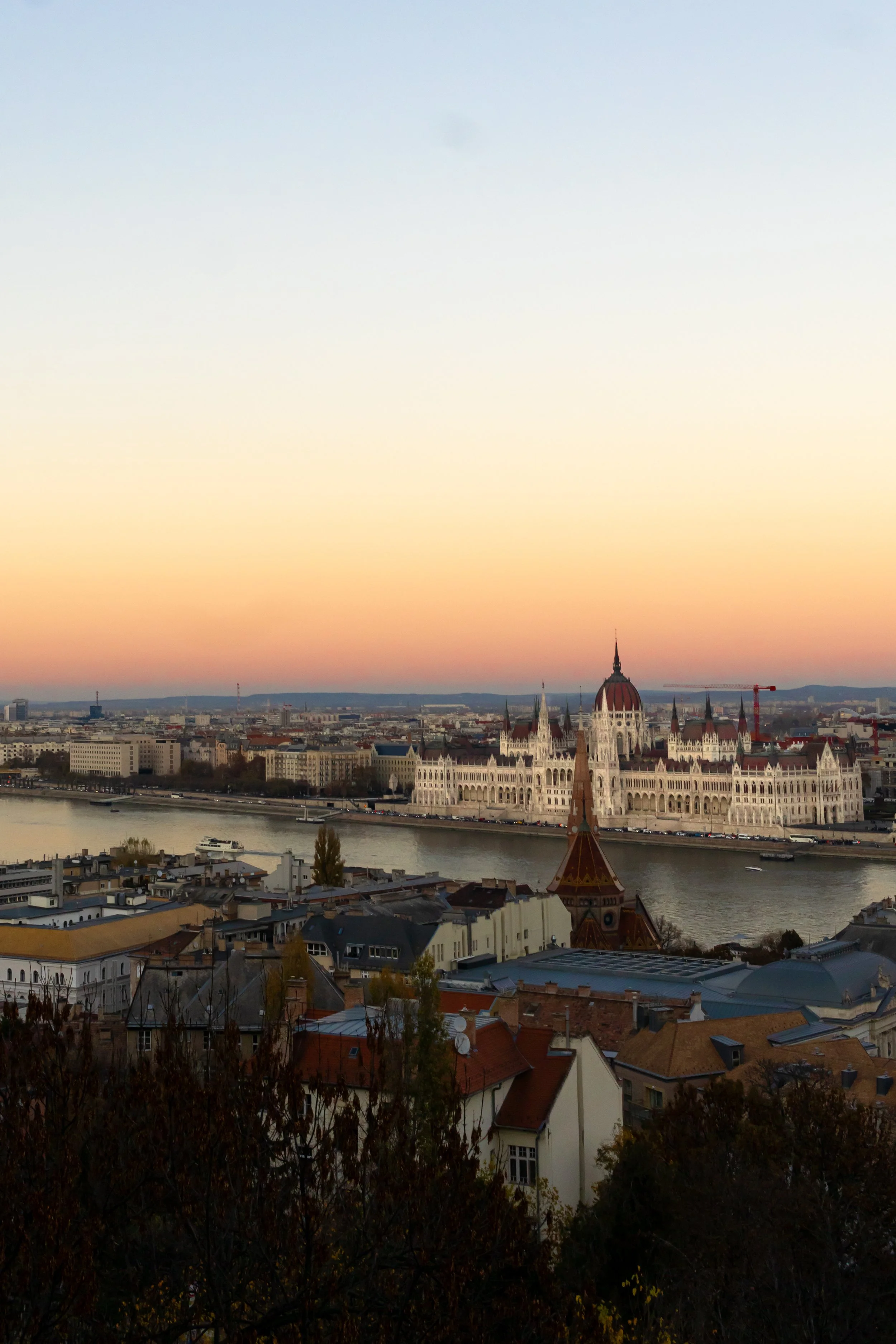
I reached the top of the fortress just as the orange sun dipped behind the Hungarian Parliament Building, casting a golden glow on the limestone and gathering in the River Danube. The water below shimmered as if the essence of daylight itself had possessed it, and became a vessel which clung onto the very last fragments of the sun. What began with pure reluctance and laziness, and continued through the discomfort of the climb, turned into one of my favorite memories of my entire life. Further, it proved to me that discomfort is not always the signal to stop, but rather a simple obstacle to move through.
These deeply defining moments would be completely forgotten in the two-sentence version. Even more, I never got to mention…
The time I watched a horde of seagulls duke it out over a boxed meal deal sandwich in Brighton.
Or the time that I accidentally spent $60 USD on hair clips in Copenhagen.
Or the time I ran into bedbugs in London, and then again in Faro.
The time I ran around the empty streets of Rome at 2 AM, when the ancient city felt as if it belonged only to me.
Or all of the tears that flowed as I paced through the Anne Frank House in Amsterdam.
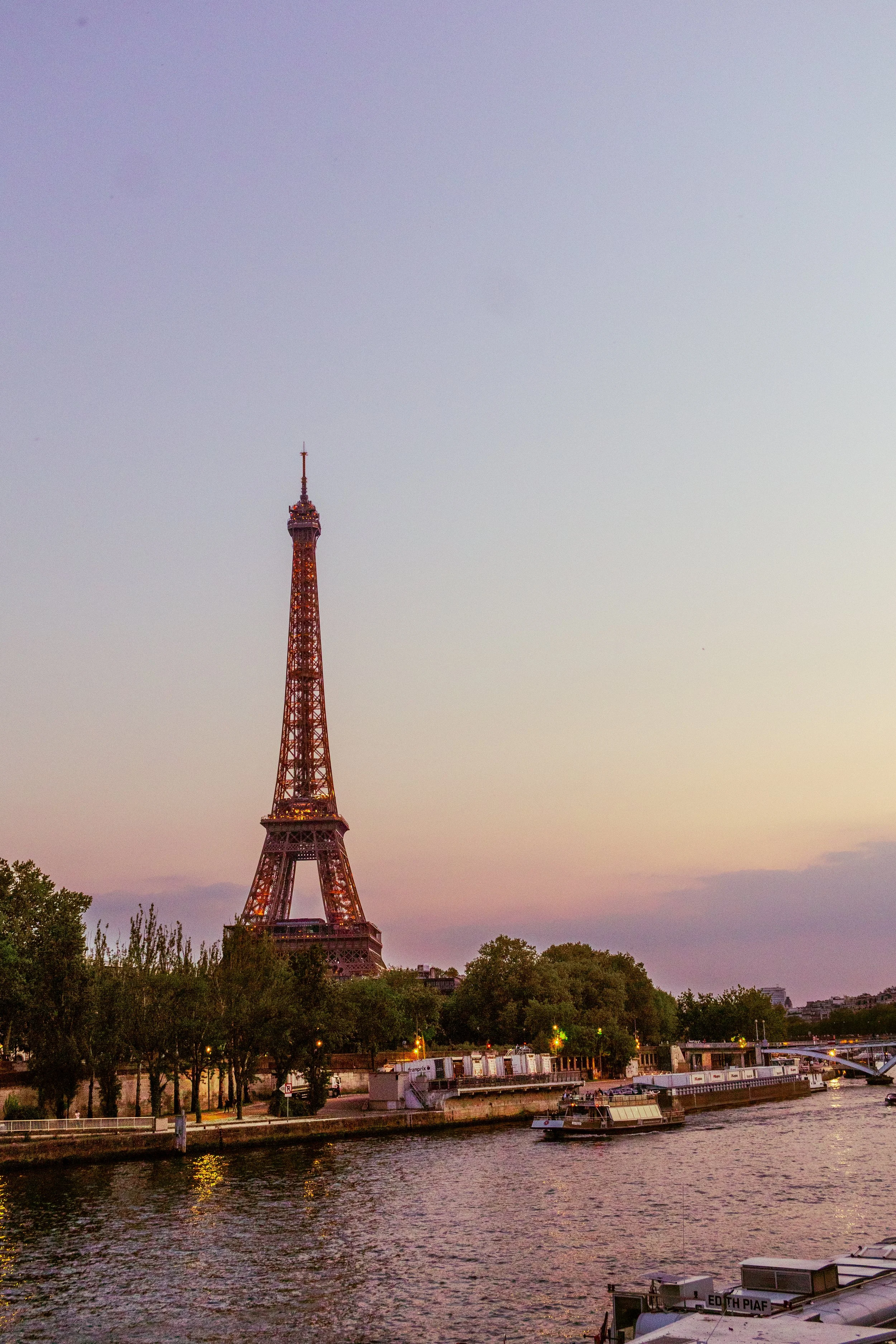
Or when I watched the sun set over the River Seine and witnessed the Eiffel Tower sparkle against the inky-black sky in Paris.
Horrifying rides on double-decker buses.
Watching sheep lazily graze on rolling hills.
Walking corridors shaped by centuries of footsteps before mine.
Sleeping in hostels with 10+ strangers.
And the lecture halls that I still had to show up to in between it all.
Individually, each of these things simply felt like moments in time. And yet together, they became the very fabric of a year that I hadn’t yet figured out how to explain.
I fell so deeply in love with places, people, and versions of myself that I was forced to leave behind nearly as quickly as I found them. At some point along the way, the despair that came with the persistent goodbyes began to be predictable and constant. This however, did not mean that they stung any less, and this new part of my routine was nearly always accompanied by the unmistakable twinge of heartache.
I feel like I became somebody that could handle the world. Things that would have ruined my entire month previously became mild inconveniences. Many of these instances (missing trains, losing my ID, countless pickpocket attempts) I even reflect fondly as they added intrigue and adrenaline to the adventure.
How would I possibly convey how life-altering it was that I saw people who had nothing, and people who had everything? How can I describe that this was the first time in my life that I felt completely alone in the world, yet completely alive at the same time.
I was told to return with a two-sentence summary of my year abroad. I suppose this is it, but it leaves out everything that made it worth saying in the first place.
Sheridan Carpenter is a Media & Communications major with minors in Public Relations and Photography, from Aiken. She studied abroad at the University of Brighton in the United Kingdom during the Spring and Fall 2025 semesters. She is expected to graduate from Lander University in Spring 2026 and plans to continue her portrait photography business while pursuing a career in public relations.