Brett Gregory: The Silence That Teaches
Traveling alone makes you see the world differently and forces you to listen. Not just to the people around you, but to the places you visit. I first experienced this firsthand while studying abroad at the University of Winchester in the UK, when I took what turned out to be one of the most meaningful trips of my life. I did a solo trip to Krakow, Poland, just before returning home to America.
I did not come to Krakow because I had always wanted to. It was not a dream destination I had planned for; I honestly never heard of the place until a week before my trip. One of my marketing professors, who was from Poland, told me that if I liked history and wanted to go see a world-class Christmas market, I should go. There wasn’t a big reason for the final choice; I just kept thinking about the option and thought, “Why not?” and booked the ticket.
When I arrived, I went straight to the Wieliczka Salt Mine. I heard about it from my professor and booked the tour just before my flight. I looked at the photos on the tour website and found them interesting. However, once they brought us down into the mines, I didn’t expect how quiet it would be.
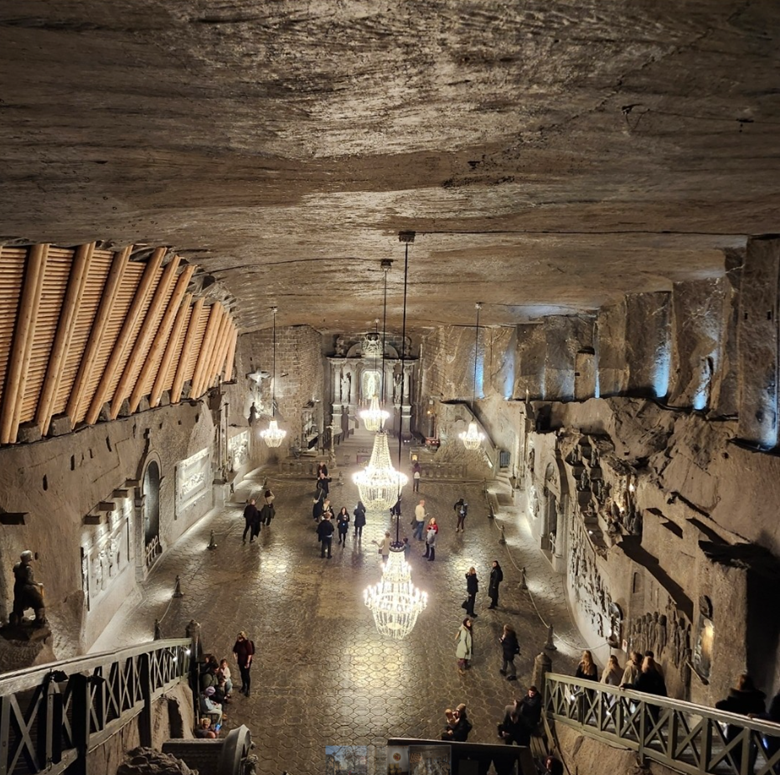
Walking down the wooden staircases, going deeper inside the mine and farther from the surface, it felt like an entirely different world. The air had changed; it was colder as well. The deeper I went, the more of the outside world disappeared. There weren’t any distractions, just the sound of footsteps and the voice of my tour guide.
The walls were carved from salt, shaped by the workers who had spent their entire lives underground. The workers, who weren’t any famous world leader or businessman, were just everyday people, but they worked and built something that still exists centuries later. They made chapels, sculptures, and entire rooms, all created underground where sunlight would never reach. If I were with friends and not a random tour group, I would have thought it was cool and moved on, telling a joke even. However, I had no one to tell a joke to, so it forced me to slow down. While walking through these rooms, it made me think about the people who had built them and why, how they saw a vision of this place when possibly no one else did. It made me realize that history is not just made by the people we remember, but the mark of those who don’t get the credit, or worse, are forgotten. This was the first moment where I felt like I wasn’t just seeing history, but listening to it.
The next day, I took this to another level with something that surprised even me. I walked through the infamous “Arbeit Macht Frei” gates at Auschwitz, and it did not feel like I was walking through a historical site; it was more like walking into something that was still present.
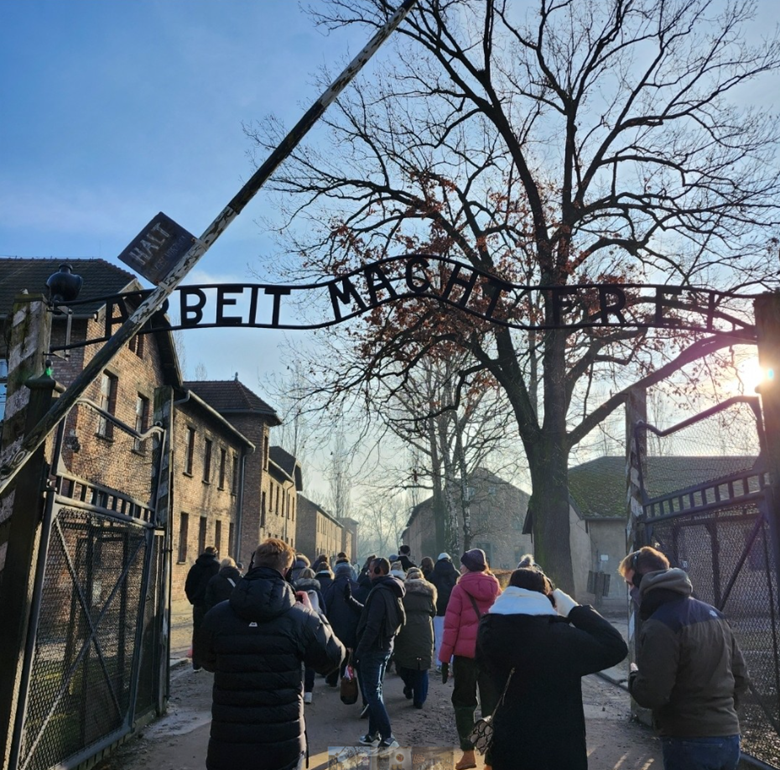
I’ve learned about Auschwitz before, I’ve seen shows about it, and even studied it in multiple different classes, but nothing can ever compare to actually being there. The first thing I noticed was the silence, but it was heavier. It’s a type of silence that you are supposed to notice. As we walked through the camp, our tour guide showed us the barracks, the different work areas, and the belongings left behind. There were shoes, suitcases, and even photographs of the people. Each item was used and owned by someone who was taken to the camp.
This is what made it different from anything I could’ve been taught in school. In a classroom, it’s easy to focus on the scale of events, from the numbers, timelines, to the facts, but when you’re standing there, it’s not about any of those things; it’s about the people. When I was walking through the different buildings, there was no one there to talk or distract me from what was there. Each step made me process what had happened and see the experience, rather than just moving past it and flipping to a different page like you would in a classroom. During this, I learned something important: Listening to history is not the same as learning it. When you learn it, it’s about understanding and seeing what happened. When you listen to it, it’s about understanding what it meant and why it still matters.
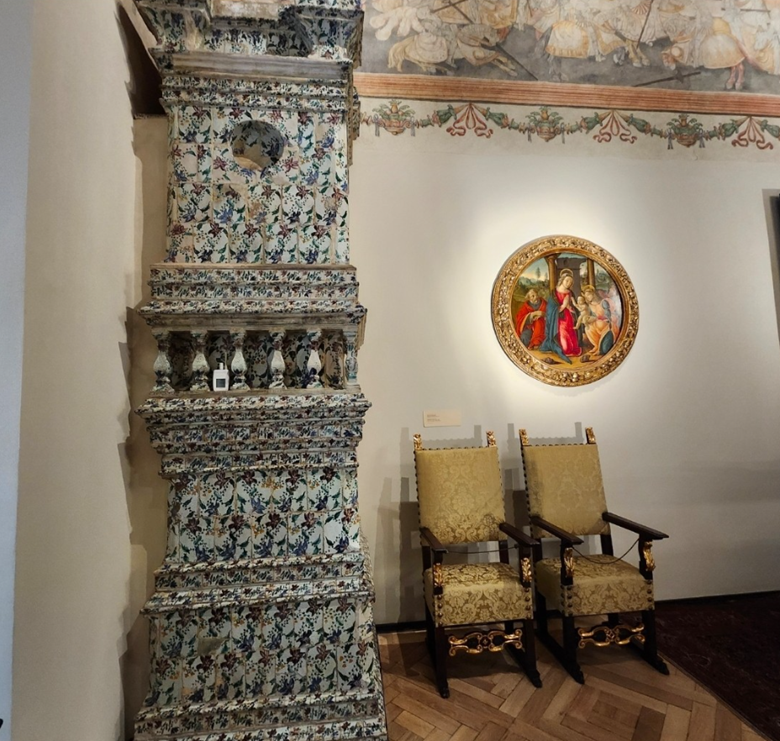
The next day, I went to Wawel Castle. The salt mines showed me quiet creation, while Auschwitz showed me a heavy loss. Wawel showed me something else entirely: endurance. The castle that sits above Krakow has been destroyed, rebuilt, and changed throughout the centuries. It wasn’t perfect; you were able to see the differences in the rooms, but that’s what makes it stand out. It was the continuous choice of wanting to rebuild it, to carry its history forward instead of letting it be a defeat or be lost to history.
When I walked through it, I noticed the different layers on almost everything. The difference in the art styles, the walls, and even the structure of the rooms had been shaped by the different periods of time. This castle wasn’t trapped in a single century; it was a combination of all of them. While walking through Wawel Castle, I realized that everything in this trip was connected. From the workers in the salt mines, the people from Auschwitz, and the rebuilding of Wawel Castle, they were all different but had the same idea. It showed me that history is not just something that happens and ends; it’s something that continues through people.
Before this trip, I thought of history as something you study, something to learn and remember for a test later, even something to watch while you’re eating a meal, but traveling has changed that for me. While going through these places, it made me slow down and listen. What I didn’t understand at the time was that the real lesson wasn’t in the place itself, but in the way they made you pay attention. It wasn’t about the facts or timelines, but the people who lived them, the choices they faced, and the small traces they had left behind. Traveling alone forced me to slow down rather than just skimming past them or going to the next thing. It made me realize that learning isn’t just collecting information and using it for a test or a fun fact, but letting an experience change the way you see it.
Only after coming home did I understand this lesson; it taught me that history isn’t distant or abstracted, it’s personal. It’s human.
Brett Gregory is a graduating senior at Lander University, where he studied Business Administration (emphasis in Management and Marketing) and Political Science with concentrations in International Business and Pre-Law.